The life meter
Candy Crush Saga gives you five lives, and when they are gone, you wait — and that is not a failure state; it is the design.

Lives that refill on their own schedule decide when the session is over.
The session has a designed ceiling
King's Candy Crush Saga, released in 2012, uses a regenerating life meter as a session-ending mechanism. Fail a level and you lose a life; lose all five and the game closes itself off for roughly thirty minutes per life — up to two and a half hours for a full refill. The player did not decide to stop. The game decided for them.
This is a form of pacing built from scarcity rather than content. Most games end a session when the player runs out of things to do; the life meter ends it when the player runs out of permission. The distinction matters because it shifts the locus of control entirely to the system. There is always more level to play. What regenerates is access.
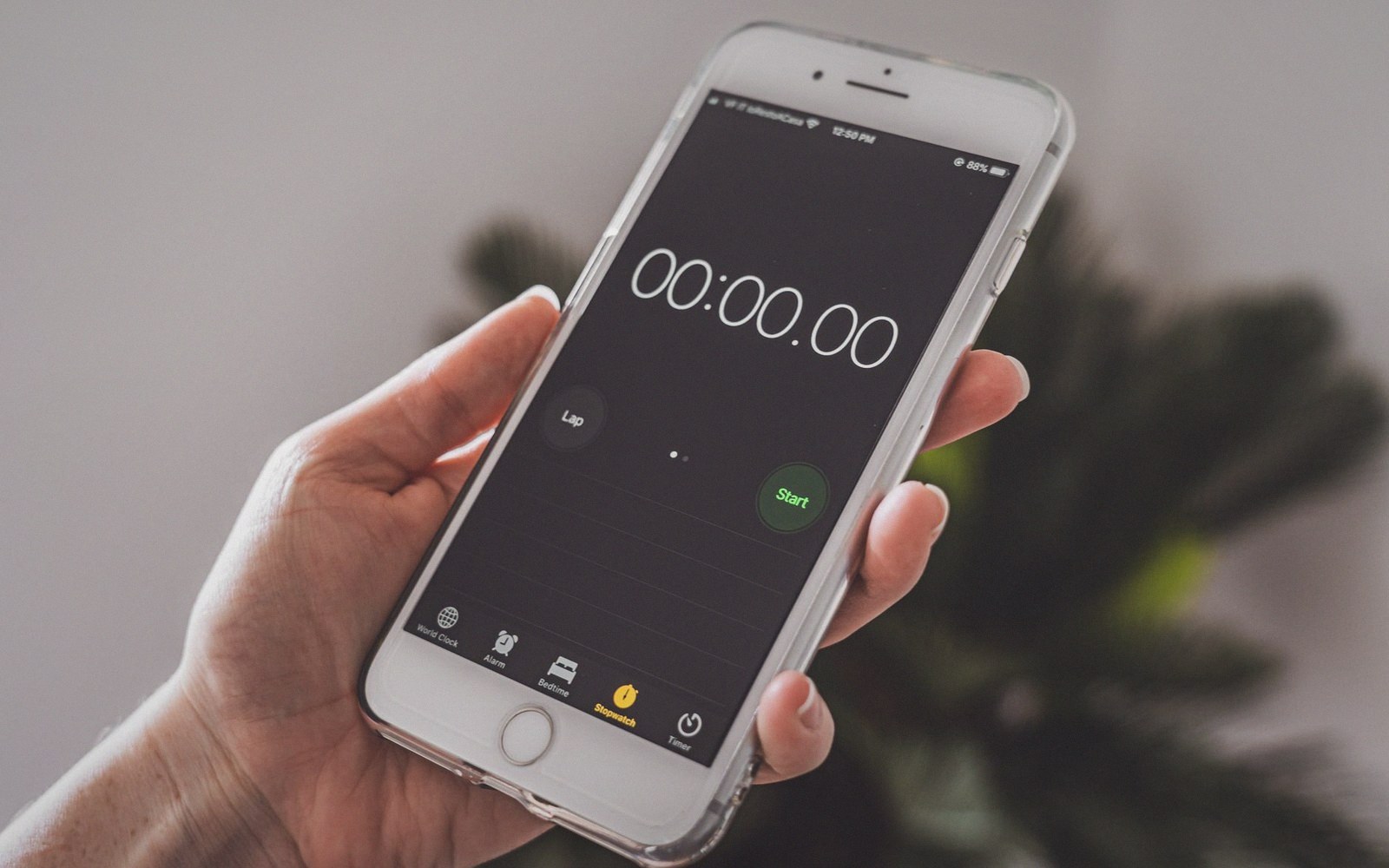
Metering the right to play, rather than the reward for waiting.
Photo: Castorly Stock / Pexels
The mechanic does two things simultaneously. First, it manages the retention curve by preventing the binge-and-quit pattern, where a new player burns through twenty levels in one sitting, hits difficulty, and abandons the game permanently. A hard ceiling spreads that same twenty levels across several days, which is why studios track day-seven and day-thirty return rates so carefully — the life meter is partly an instrument for improving those numbers.
Second, the wait creates a purchase moment. Lives can be refilled with premium currency, or a friend can send one. The social graph becomes a supply chain. That connection between the timer and the transaction is the commercial logic underneath the pacing logic, and critics including Ian Bogost have argued that this is where pacing tips into pressure — a dark pattern in the specific sense that the discomfort is the point.
The mechanic in plain terms
Lifted out of the flow
- session ceiling — a designed upper bound on play time imposed by the system, not chosen by the player
- binge-and-quit — the pattern of rapid early consumption followed by permanent dropout; what the life meter is partly built to prevent
The life meter is not unique to Candy Crush, but King refined it into a format that the whole genre absorbed. The session ceiling is now structural furniture.